Patterns Round Background: A Versatile Design Resource for Digital Projects
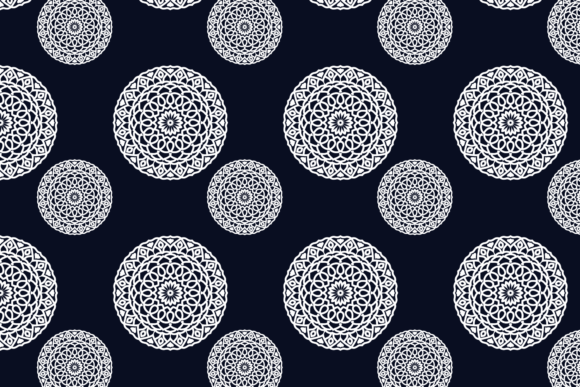
Patterns Round Background is a digital design resource that offers a unique blend of aesthetic appeal and functional flexibility. Designed with a focus on visual harmony, this background pattern provides a professional and polished look that can enhance a wide range of creative projects. Its circular motifs and structured layout make it an appealing choice for designers seeking a balanced composition without the need for complex customization.
What Makes Patterns Round Background Distinct?
Unlike many generic background templates, Patterns Round Background stands out due to its intentional design elements. The use of repeating circular shapes creates a sense of rhythm and flow, making it ideal for both modern and traditional design applications. This pattern is not just a backdrop; it serves as a foundational element that can influence the overall tone and style of a project.
The canvas size of 1920px by 1280px ensures that the design is scalable and suitable for a variety of platforms, from web banners to mobile app interfaces. This resolution supports high-quality output while maintaining clarity across different display sizes.
Available Formats and Usability
Users who purchase Patterns Round Background receive five distinct digital files, each tailored for different design needs. These include an AI file, an EPS file, an SVG file, a JPG file, and a PNG file. This comprehensive set of formats allows for easy integration into various design workflows.
- AI File: Ideal for vector-based editing in Adobe Illustrator, offering full scalability without loss of quality.
- EPS File: A versatile format that works well with most graphic design software, ensuring compatibility across platforms.
- SVG File: Perfect for web use, as it maintains sharpness at any size and is lightweight for fast loading times.
- JPG File: Suitable for print or web use where high-resolution images are needed without transparency.
- PNG File: Offers transparency support, making it ideal for layered designs or overlays on different backgrounds.
This variety of formats ensures that users can adapt the design to their specific requirements, whether they are working on a digital illustration, a website layout, or a printed material.
Comparison with Similar Options
When evaluating design resources, it's important to consider how Patterns Round Background compares with other available options. Many background patterns rely on repetitive geometric shapes or abstract textures, which can sometimes feel generic or overused. In contrast, the structured yet organic nature of Patterns Round Background offers a more refined alternative.
For instance, some designers may opt for solid color backgrounds or simple gradient fills when looking for minimalism. However, these options lack the visual interest and depth that a pattern like this provides. On the other hand, more intricate or detailed patterns might offer greater complexity but could also be overwhelming or difficult to integrate seamlessly.
Patterns Round Background strikes a balance between simplicity and sophistication. It adds visual interest without distracting from the primary content, making it a practical choice for designers who want to maintain a clean and professional appearance.
Strengths and Best-Fit Situations
One of the key strengths of Patterns Round Background is its adaptability. Its neutral yet structured design makes it suitable for a wide range of industries and applications. For example, it can serve as a background for corporate presentations, social media graphics, or even e-commerce product displays. Its versatility allows it to fit into both modern and classic design aesthetics.
Another advantage is its ease of use. With the availability of editable vector files, users can modify the pattern to suit their specific needs. This level of customization is particularly valuable for designers who want to create a cohesive brand identity or differentiate their work from others.
However, it's worth noting that this pattern may not be the best fit for every project. If a designer requires a highly unique or unconventional background, Patterns Round Background may not provide the desired effect. In such cases, alternative options—such as custom illustrations or more abstract patterns—might be more appropriate.
Limitations and Decision Factors
While Patterns Round Background is a strong option for many design scenarios, it does have certain limitations. Its structured layout may not align with all creative visions, especially those that prioritize randomness or organic forms. Additionally, the repetition of circular motifs could become predictable if not used thoughtfully.
Designers should also consider the context in which the pattern will be used. For example, if the background is intended for a mobile application, the pattern’s density and spacing must be carefully adjusted to avoid cluttering the interface. Similarly, for print projects, the resolution and color accuracy of the file formats must be verified to ensure the final output meets expectations.
When deciding whether to use Patterns Round Background, it's helpful to ask questions such as: Does this pattern complement the overall design? Will it enhance or detract from the user experience? Is there a need for additional customization? These considerations can help guide the decision-making process and ensure the chosen background aligns with the project’s goals.
Practical Examples and Use Cases
Consider a scenario where a designer is creating a landing page for a tech startup. The goal is to convey professionalism and innovation while maintaining a clean layout. In this case, Patterns Round Background could serve as a subtle yet effective backdrop that adds visual interest without overwhelming the content.
Alternatively, a graphic designer working on a series of social media posts for a lifestyle brand might choose this pattern to create a consistent visual theme across multiple platforms. The availability of different file formats ensures that the design can be adapted to various platforms, including Instagram, Facebook, and Pinterest.
For a print-based project, such as a magazine spread, the PNG or JPG versions of the pattern could be used to add texture and depth to the layout. The ability to adjust the opacity and placement of the pattern allows for greater control over the final appearance.
When to Choose Patterns Round Background
Patterns Round Background is a good choice for designers who value balance, structure, and usability. It is particularly useful when the goal is to create a polished and professional look without excessive complexity. Its compatibility with multiple design tools and platforms further enhances its appeal for users who work across different environments.
If a designer is looking for a reliable and adaptable background that can be easily modified, this resource offers a solid foundation. It is also a practical option for those who want to save time on custom design work while still achieving a high-quality result.
When to Consider Alternatives
There are situations where other options may be more suitable. For example, if a project requires a highly customized or unique background, a pre-made pattern like this may not provide the necessary flexibility. In such cases, working with a designer to create a custom pattern or using a more abstract design could be a better approach.
Additionally, if the project has strict branding guidelines or a specific visual identity, the pattern may need to be adjusted to match those standards. In these instances, the availability of editable files can still be beneficial, but the design may require additional modifications to align with the brand’s requirements.