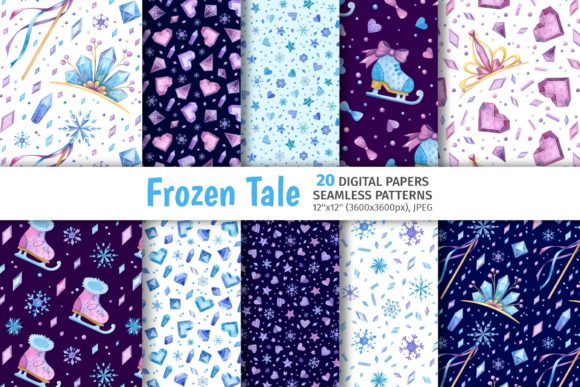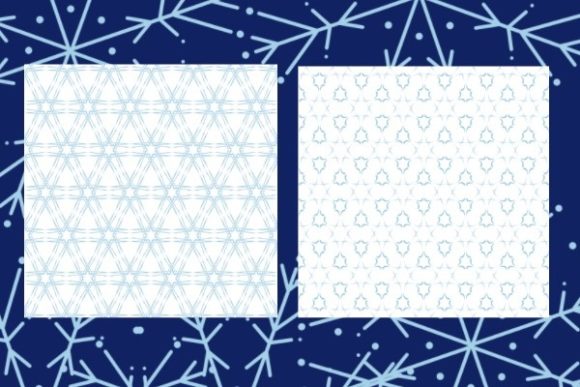
Snow Patterns Symmetrical Paper: A Unique Blend of Art and Function
Snow Patterns Symmetrical Paper offers a distinctive approach to design, combining the elegance of natural snowflakes with the precision of symmetrical patterns. This resource is particularly appealing to creative professionals, educators, and hobbyists who seek visually engaging materials for various applications. Whether used in graphic design, educational projects, or artistic endeavors, Snow Patterns Symmetrical Paper provides a structured yet artistic foundation that can enhance visual storytelling and aesthetic appeal.
Understanding Snow Patterns Symmetrical Paper
Snow Patterns Symmetrical Paper refers to a collection of digital or printable designs that mimic the intricate symmetry found in real snowflakes. Each pattern is carefully crafted to reflect the balanced structure of a snowflake, often using geometric shapes, repeating motifs, and mirrored elements. These designs are typically available in high-resolution formats, making them suitable for both digital and physical use.
The concept behind this style is rooted in the natural phenomenon of snowflake formation, where each flake exhibits a unique yet symmetrical structure. By translating this into a paper-based format, designers and creators can access a versatile set of templates that can be adapted to different projects. The result is a resource that bridges the gap between nature’s artistry and human creativity.
Key Characteristics and Practical Value
One of the standout features of Snow Patterns Symmetrical Paper is its attention to detail. Each design maintains a consistent level of complexity, ensuring that the symmetry remains intact while allowing for customization. This makes it ideal for users who want to maintain a cohesive look across multiple pieces of work.
The practical value of these patterns extends beyond aesthetics. They can be used as backgrounds, decorative elements, or standalone artworks. For instance, a designer working on a winter-themed project might incorporate these patterns into a logo, website layout, or print material. Similarly, an educator could use them to create engaging visual aids for science or art classes.
Another benefit is the flexibility they offer. Users can modify the color schemes, scale, and placement of the patterns to suit their specific needs. This adaptability ensures that Snow Patterns Symmetrical Paper remains relevant across a wide range of industries and creative disciplines.
Performance and Usability in Real-World Applications
In practice, Snow Patterns Symmetrical Paper performs well when integrated into design workflows. Its high-quality resolution ensures that prints maintain clarity, even at larger sizes. Digital versions are often optimized for compatibility with common design software, allowing for seamless incorporation into existing projects.
For users focused on efficiency, the availability of pre-designed templates saves time compared to creating custom symmetrical patterns from scratch. This can be especially beneficial for freelancers or small businesses looking to streamline their design process without sacrificing quality.
However, it’s important to note that the effectiveness of these patterns may depend on the user’s technical skills. While the designs are intuitive, some customization may require basic knowledge of design tools. This could be a minor barrier for those less familiar with digital editing software.
Quality, Consistency, and Long-Term Value
The quality of Snow Patterns Symmetrical Paper is generally high, with most resources offering clean lines, precise symmetry, and professional-grade formatting. This consistency is crucial for maintaining a polished appearance across different mediums and projects.
From a long-term perspective, these patterns can serve as a valuable asset for creatives who frequently work on seasonal or thematic projects. Their timeless appeal ensures that they remain relevant year after year, reducing the need for constant updates or replacements.
Additionally, the reliability of the source from which these patterns are obtained plays a role in their overall value. Users should ensure that they are accessing reputable platforms that provide accurate and well-documented resources.
Who Benefits Most from Snow Patterns Symmetrical Paper?
Snow Patterns Symmetrical Paper is particularly useful for individuals and organizations involved in visual communication. Graphic designers, illustrators, and marketers can leverage these patterns to add a touch of sophistication to their work. Educators and students in art or science-related fields may also find them valuable for teaching concepts related to symmetry, geometry, and natural phenomena.
Small business owners looking to create branded materials with a unique aesthetic can benefit from incorporating these patterns into their marketing collateral. For example, a boutique or artisan shop might use them in packaging, signage, or promotional content to create a memorable brand identity.
Moreover, hobbyists and DIY enthusiasts often appreciate the creative freedom that these patterns offer. Whether crafting handmade cards, decorating home interiors, or exploring digital art, Snow Patterns Symmetrical Paper provides a versatile tool for personal expression.
Recommendations and Considerations
When considering Snow Patterns Symmetrical Paper, it’s advisable to explore different sources to find the best fit for your needs. Some platforms may offer free samples, while others provide premium collections with additional features such as layered files or customizable options.
Users should also evaluate the licensing terms associated with these resources. Understanding the rights to use, modify, and distribute the patterns is essential, especially for commercial projects. This ensures that the designs are used in compliance with legal standards.
Finally, while Snow Patterns Symmetrical Paper is a powerful tool, it’s not a one-size-fits-all solution. Creatives should assess whether the symmetrical style aligns with their project goals and audience preferences. In some cases, more abstract or asymmetrical designs may be more appropriate.
Conclusion
Snow Patterns Symmetrical Paper represents a thoughtful blend of natural inspiration and artistic precision. Its ability to merge the beauty of snowflakes with structured design makes it a valuable resource for a wide range of users. Whether enhancing a creative project, supporting educational initiatives, or adding visual interest to branding efforts, this style offers both aesthetic appeal and practical utility.
By understanding its strengths, limitations, and potential applications, users can determine whether Snow Patterns Symmetrical Paper aligns with their creative vision and workflow. With careful selection and thoughtful implementation, these patterns can become a meaningful addition to any design repertoire.