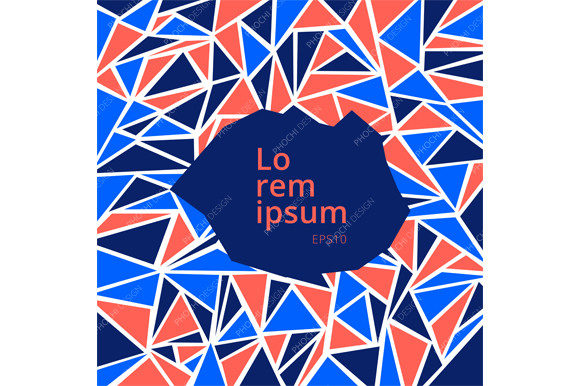
Abstract Geometric Patterns Background: A Versatile Design Element
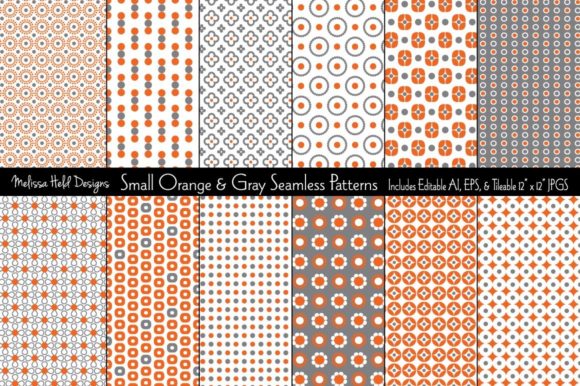
Abstract geometric patterns background refers to a design style that features intricate, non-representational shapes and lines arranged in a structured yet artistic manner. These patterns often incorporate elements such as triangles, circles, and other geometric forms, creating a visually engaging texture that can be used across various design applications. When combined with bold colors like blue and red on a white background, these patterns become even more striking, offering a dynamic and modern aesthetic.
Such designs are typically created as vector illustrations, which means they can be scaled without losing quality. This makes them ideal for use in print and digital media, especially when high-resolution outputs are required. The ability to edit text, shapes, and colors adds to their versatility, allowing designers to customize the patterns according to specific project needs.
Why Someone Might Be Interested in Abstract Geometric Patterns Background
Designers, artists, and content creators often seek out abstract geometric patterns for their ability to add visual interest and sophistication to any project. Whether it's for a website, marketing material, or product packaging, these backgrounds can elevate the overall look and feel of the design. Their clean lines and structured composition make them particularly appealing for modern and minimalist aesthetics.
The availability of multiple file formats, such as EPS and JPG, ensures that users can choose the most suitable option for their intended use. For instance, EPS files are ideal for professional printing, while JPGs are more suited for web-based applications. Additionally, the absence of watermarks and the inclusion of editable elements make these patterns a practical choice for both personal and commercial projects.
Benefits and Considerations of Using Abstract Geometric Patterns Background
One of the primary benefits of using abstract geometric patterns is their adaptability. They can be incorporated into a wide range of design contexts, from corporate branding to artistic compositions. The high-resolution 300 dpi output ensures that the final product looks sharp and professional, regardless of the size at which it's printed.
Another advantage is the ease of customization. With editable text, shapes, and colors, users can tailor the pattern to match their specific requirements. This flexibility is particularly valuable for those who want to maintain a cohesive visual identity across different platforms and materials.
However, there are also considerations to keep in mind. While these patterns are visually appealing, they may not be suitable for every design project. In some cases, a simpler or more subtle background might be more effective. Additionally, the complexity of the pattern could potentially distract from the main content if not used appropriately.
Situations Where Abstract Geometric Patterns May Be a Strong Fit
Abstract geometric patterns background can be an excellent choice in scenarios where a strong visual statement is needed. For example, in presentations, these patterns can help capture attention and reinforce the theme of the content. They are also well-suited for creative industries, such as fashion, graphic design, and interior decoration, where unique and eye-catching visuals are essential.
In digital design, these patterns can enhance user experience by adding depth and dimension to interfaces. They can be used as backgrounds for websites, mobile apps, or social media posts, providing a modern and professional look. For print materials, such as brochures, posters, and business cards, the high-resolution format ensures that the design remains clear and impactful.
Situations Where Alternatives May Be Worth Considering
While abstract geometric patterns offer many advantages, there may be instances where alternative design elements are more appropriate. For example, in situations where simplicity and clarity are paramount, a plain or minimalistic background might be preferable. This is especially true in areas such as educational materials, where the focus should be on the content rather than the design.
Additionally, users should consider the target audience when selecting a background. What works well for a tech startup may not resonate with a traditional business or nonprofit organization. It's important to align the design with the brand's identity and the preferences of the intended viewers.
Practical Decision-Making Insights
When evaluating whether to use an abstract geometric patterns background, it's helpful to ask a few key questions. What is the purpose of the design? Who is the target audience? What message or emotion do I want to convey? These considerations can guide the decision-making process and ensure that the chosen design supports the overall goal.
It's also beneficial to review examples of similar designs to understand how they perform in different contexts. Testing the pattern in a real-world scenario, such as through a mock-up or prototype, can provide valuable feedback and help identify any potential issues before finalizing the design.
Ultimately, the decision to use an abstract geometric patterns background depends on the specific needs and goals of the project. By carefully considering the benefits, limitations, and suitability of the design, users can make informed choices that enhance the effectiveness and impact of their work.