Abstract Patterns 10 Pages 24: A Creative Tool for Process and Design
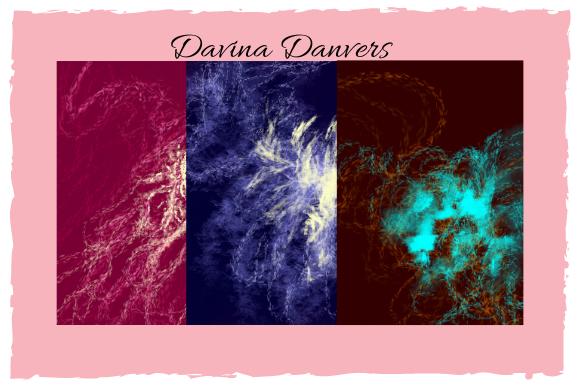
Abstract Patterns 10 Pages 24 offers a curated collection of hand-drawn, colorful abstract patterns designed to enhance creative workflows. These designs, created by Davina Danvers, provide a versatile resource for professionals, artists, and designers looking to add visual interest to their projects. Whether used in branding, digital design, or personal creative exploration, these patterns serve as a valuable asset in the broader process of visual communication.
Understanding Abstract Patterns 10 Pages 24
Abstract Patterns 10 Pages 24 consists of 10 high-resolution JPG files at 300dpi, each featuring unique, hand-drawn compositions. The patterns range from intricate geometric shapes to fluid, organic forms, all rendered in vibrant colors. This collection is ideal for users who need ready-to-use visuals that can be integrated into various design contexts. The hand-drawn nature of the patterns adds a tactile, human element that distinguishes them from digitally generated alternatives.
The set is particularly useful for those working in graphic design, illustration, or content creation. Its flexibility allows it to be adapted across multiple platforms, including print, web, and social media. The patterns are not just decorative; they can also serve as a foundation for further artistic development, offering inspiration and structure for new ideas.
Integrating Abstract Patterns into Creative Workflows
Abstract Patterns 10 Pages 24 can be incorporated into different stages of a project, depending on the user's needs. Before starting a design, these patterns can act as a mood board or reference point, helping to establish a visual direction. During the creative process, they can be layered with other elements to create depth and complexity. After completion, they may be used as part of a portfolio or promotional material to showcase the artist’s style.
For example, a designer working on a brand identity might use the patterns as background textures for mockups or as a source of color inspiration. A writer or blogger could incorporate the visuals into articles or social media posts to enhance engagement. In educational settings, the patterns can be used to illustrate concepts related to design theory, color psychology, or composition.
Using Abstract Patterns in Different Contexts
The versatility of Abstract Patterns 10 Pages 24 makes it applicable across a wide range of industries and tasks. In marketing, the patterns can be used to create eye-catching advertisements or promotional materials. For entrepreneurs, they offer a cost-effective way to elevate the visual appeal of products or services without hiring a designer. In the field of education, teachers can use the patterns to make lessons more engaging or to demonstrate design principles in action.
Additionally, the collection can support personal creative goals. Hobbies such as journaling, scrapbooking, or DIY projects can benefit from the inclusion of these patterns. They provide a quick and easy way to add visual flair to handmade items or digital creations. For productivity-focused users, the patterns can be used to organize information visually, such as in mind maps or project timelines.
Compatibility and Practical Use
When using Abstract Patterns 10 Pages 24, compatibility with existing tools and platforms is essential. The high-resolution JPG format ensures that the images maintain clarity when scaled for different uses. Users should consider how the patterns will be applied—whether for print, web, or digital media—to ensure optimal results. For instance, if the patterns are intended for print, users should verify that their design software supports high-dpi outputs and that the colors match expected standards.
Organization is another key factor. Storing the files in a structured folder system helps streamline access during future projects. Some users may find it helpful to categorize the patterns based on style, color, or intended use. This approach saves time and reduces the likelihood of misplacing files. Additionally, backing up the collection ensures that it remains accessible even if the original source is lost or damaged.
Enhancing Workflow Efficiency
Incorporating Abstract Patterns 10 Pages 24 into a workflow can improve efficiency by reducing the time spent on creating custom graphics from scratch. Instead of designing patterns from scratch, users can select pre-made options that align with their vision. This allows more time to focus on other aspects of a project, such as strategy, messaging, or execution.
For teams working on collaborative projects, having a shared library of patterns can promote consistency across different deliverables. It ensures that all team members have access to the same visual resources, which can help maintain a cohesive brand identity. When combined with other design assets, such as fonts or icons, the patterns contribute to a more streamlined and professional output.
Long-Term Value and Consistency
The long-term value of Abstract Patterns 10 Pages 24 lies in its ability to remain relevant across multiple projects and seasons. Unlike trend-based graphics, the abstract nature of the patterns allows them to adapt to changing styles and preferences. This makes them a sustainable choice for users who want to avoid frequent updates or replacements.
Maintaining consistency in visual elements is crucial for brand recognition and user experience. By using the same set of patterns across different mediums, users can reinforce their brand’s identity and create a sense of familiarity for their audience. This consistency also extends to personal work, where recurring visual motifs can help build a recognizable style over time.
Workflow Examples and Implementation Tips
One practical implementation is to use the patterns as background layers in digital illustrations or website templates. For example, a web designer might overlay one of the patterns on a page to add texture without overwhelming the main content. A photographer could use the patterns as overlays in post-processing to create unique effects in their images.
Another approach is to integrate the patterns into presentations or slides. They can be used as separators between sections, as decorative elements, or as part of a visual storytelling framework. For educators, this can make lessons more dynamic and visually engaging for students.
Users should also experiment with combining the patterns with other design elements. Layering them with solid colors, text, or other graphics can lead to unexpected and creative results. Testing different combinations helps identify what works best for specific projects and audiences.
Conclusion
Abstract Patterns 10 Pages 24 provides a flexible and visually rich resource for creative professionals and hobbyists alike. Its hand-drawn quality, combined with a range of colors and styles, makes it suitable for a variety of applications. By integrating these patterns into existing workflows, users can enhance their projects, save time, and maintain visual consistency. Whether used for personal expression or professional development, the collection offers a practical and effective tool for anyone involved in visual design.