Seamless Patterns with Drawing Compass: A Creative Design Tool
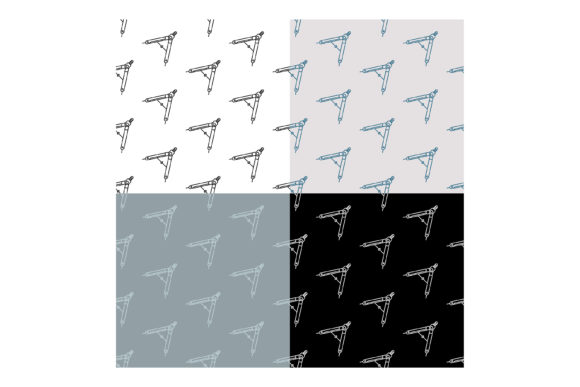
Seamless patterns with drawing compass are a versatile and essential design element that has been used for centuries in various artistic and practical applications. These patterns, often created using tools like the drawing compass and divider, offer a unique way to generate intricate, repeating designs that can be applied to fabric, textiles, and more. Whether you're a professional designer, a hobbyist, or a business owner looking for creative solutions, understanding the value of seamless patterns with drawing compass can open up new possibilities in your work.
What Are Seamless Patterns with Drawing Compass?
Seamless patterns are designs that repeat without visible seams or breaks, creating a continuous visual effect. When combined with a drawing compass and divider, these patterns become even more precise and structured. The drawing compass is a tool used to create circles and arcs, while the divider helps measure and transfer distances accurately. Together, they allow designers to craft symmetrical and balanced patterns that can be repeated seamlessly across surfaces.
This combination of tools and techniques is particularly useful in fields such as textile design, graphic arts, and architectural drafting. By using a drawing compass, artists can ensure that each element of the pattern is proportionally correct, leading to a more polished and professional result.
The Purpose and Features of Seamless Patterns with Drawing Compass
The primary purpose of seamless patterns with drawing compass is to provide a method for creating consistent, repeatable designs. These patterns are commonly used in fabric printing, where they add aesthetic value and visual interest to garments, home décor, and other textile products. They also serve as decorative elements in digital design, allowing for the creation of backgrounds, borders, and other graphical components.
- Repetition: Seamless patterns are designed to repeat without interruption, making them ideal for large-scale applications.
- Symmetry: The use of a drawing compass ensures that each part of the pattern maintains balance and harmony.
- Flexibility: These patterns can be adapted to different sizes, styles, and materials, offering a wide range of creative options.
Additionally, the precision offered by the drawing compass and divider allows for greater control over the design process, reducing errors and ensuring consistency across multiple iterations.
Where Can Seamless Patterns with Drawing Compass Be Used?
Seamless patterns with drawing compass have a broad range of applications across different industries. In the world of fashion and textiles, they are often used to create unique prints on fabrics, adding depth and complexity to clothing and accessories. For example, a designer might use a drawing compass to create a floral pattern that repeats seamlessly across a dress or a scarf.
In the realm of digital design, these patterns can be used as background elements in websites, apps, and other visual media. They help create visually engaging interfaces that are both functional and aesthetically pleasing. Additionally, in architecture and engineering, the same principles apply—seamless patterns with drawing compass can be used to create detailed blueprints or decorative elements in building designs.
Who Benefits from Using Seamless Patterns with Drawing Compass?
Several groups of people can benefit from incorporating seamless patterns with drawing compass into their work. Artists and designers, especially those working with textiles, will find these tools invaluable for creating custom patterns. Business owners who sell handmade or printed goods may also find that using these patterns can enhance the appeal of their products and set them apart from competitors.
Professionals in fields such as graphic design, illustration, and web development can use these patterns to add texture and visual interest to their projects. Even hobbyists and DIY enthusiasts can take advantage of this technique to create personalized items, such as wall art, greeting cards, or home decor.
Strengths and Considerations of Seamless Patterns with Drawing Compass
One of the main strengths of seamless patterns with drawing compass is their ability to produce highly detailed and accurate designs. The use of a drawing compass ensures that each shape is perfectly proportioned, which is essential for maintaining the integrity of the pattern when it's repeated. This level of precision can lead to more professional and refined results compared to freehand methods.
However, there are also considerations to keep in mind. Creating seamless patterns manually with a drawing compass and divider requires time, patience, and a certain level of skill. For beginners, this process can be challenging, especially when trying to achieve a perfect repeat. Additionally, the complexity of the design can affect the ease of application, particularly in digital formats where scaling and alignment must be carefully managed.
Practical Expectations and Real-World Applications
When working with seamless patterns with drawing compass, it's important to set realistic expectations. While these patterns can produce stunning results, they may not always be the best choice for every project. For instance, if a design needs to be created quickly, using digital tools or pre-made templates might be more efficient than hand-drawing each element.
Real-world examples include the use of these patterns in fashion collections, where they are used to create signature prints that distinguish a brand. In home décor, seamless patterns can be found on wallpaper, cushions, and curtains, adding a touch of elegance and sophistication. In the field of packaging design, they can be used to create eye-catching labels and promotional materials.
Evaluating Suitability for Different Needs
Determining whether seamless patterns with drawing compass are suitable for a particular project depends on several factors. First, consider the level of detail required. If the design needs to be highly intricate, then using a drawing compass and divider may be necessary to maintain accuracy. Second, assess the available resources, including time, skill, and tools. If these are limited, alternative methods such as digital software or pre-designed patterns may be more practical.
Finally, think about the intended use of the pattern. For commercial applications, such as fabric printing or product branding, the quality and uniqueness of the design can play a significant role in its success. In contrast, for personal projects or simple decorations, a more straightforward approach may be sufficient.